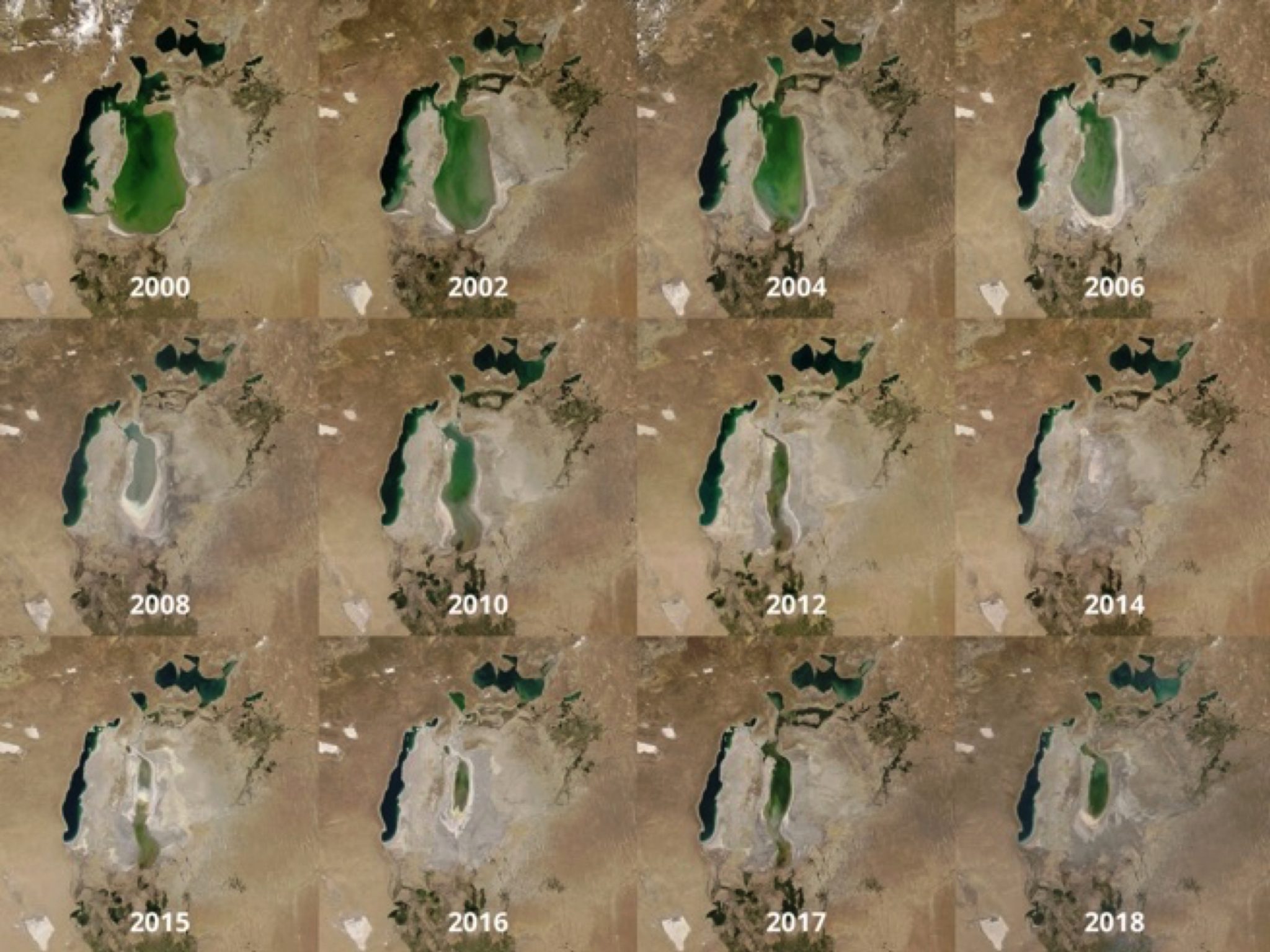
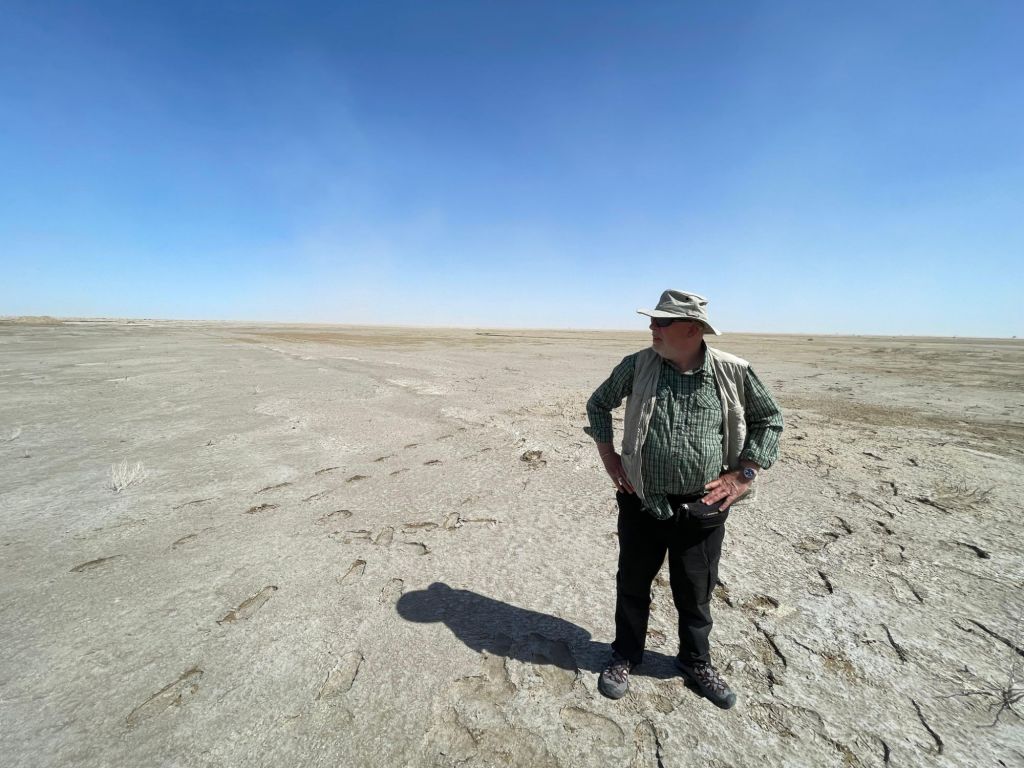
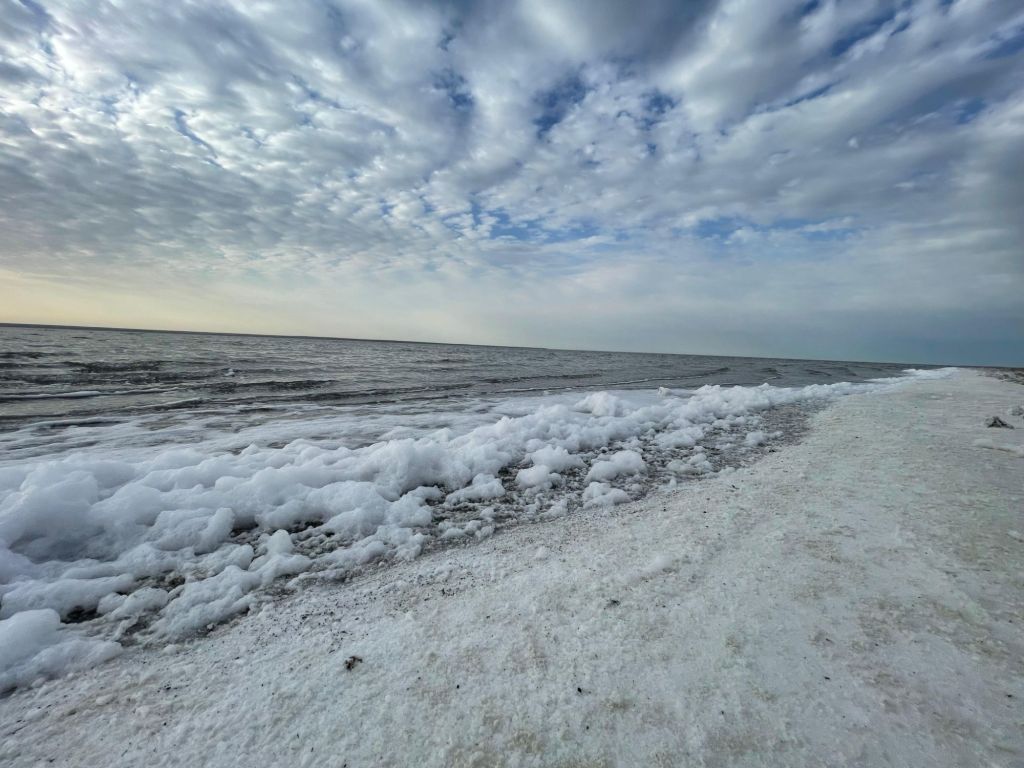
My recent trip to the Aral Sea was memorable for many reasons, not least the incredible scenery and the impression it made on me. But there were several incidents that stand out for entirely separate reasons and I would like to share some of these with you.
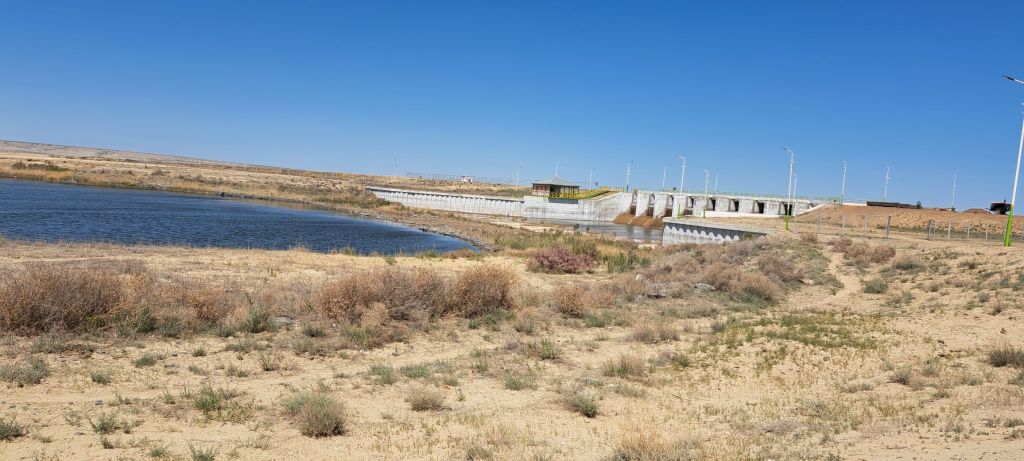
The first occurred on the day after we arrived at Kambash Lake, one of the relict lakes left behind following the disappearance of the Aral Sea. The lake itself is a beautiful location and full of fish and with a healthy wild bird population.
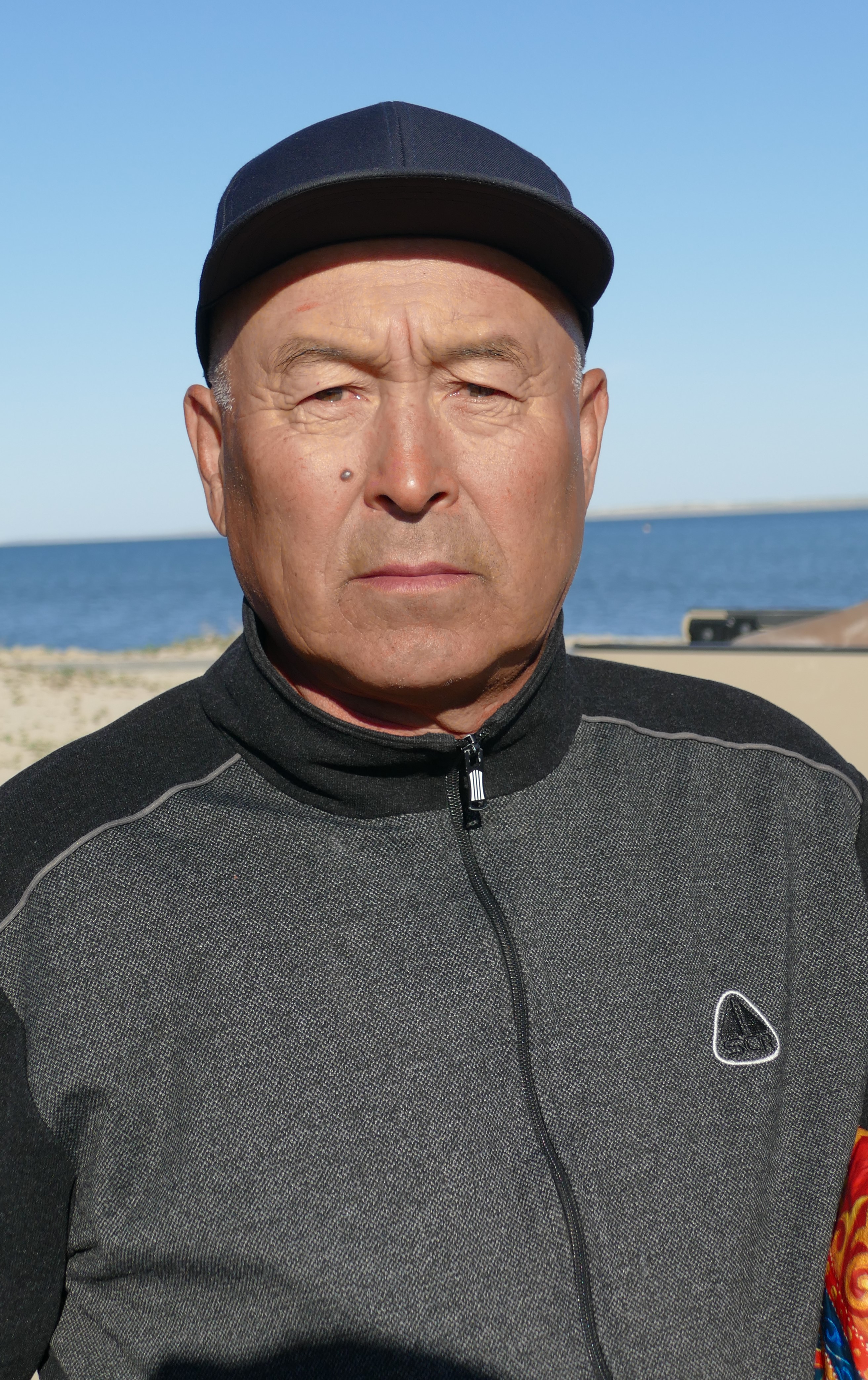
Soon after breakfast a man arrived in our camp, having heard there were strangers in the area. This was Zhomart Beketov, a 62-year-old local. He immediately brought out of his bag an old picture. It portrayed a woman and a group of children dancing in the garden of what looks like a European house and was clearly quite old – probably from the middle of the 19th century. He also had a small embroidered cloth and a boxed German harmonica.
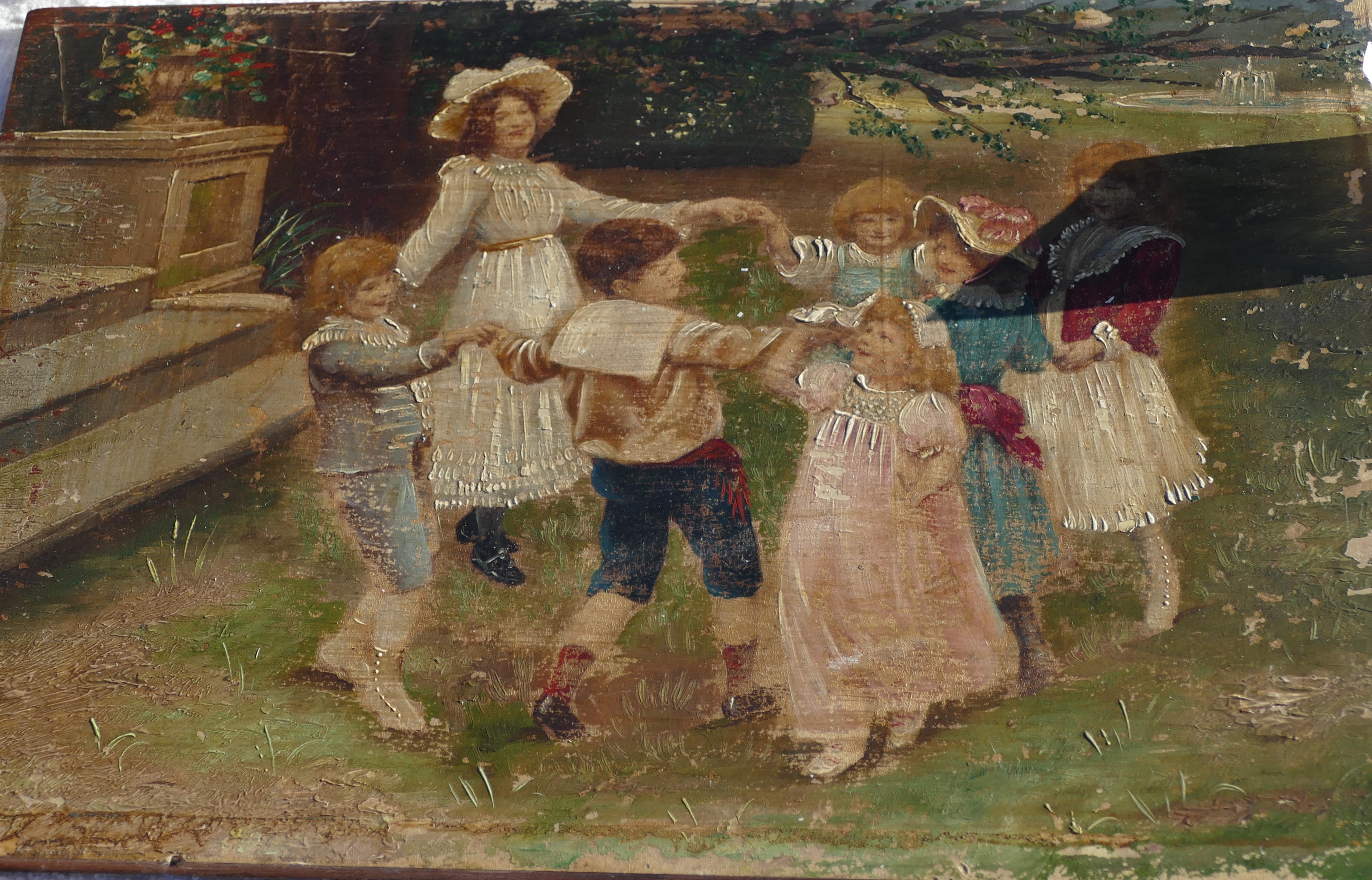
The painting was not entirely an original. It was an early colour print, to which painted highlights had been added. It was intrinsically of little financial value. But this little group of objects held some secrets. Zhomart explained that these items had all belonged to Latvians who had been exiled to this remote spot on the north-east coast of the Aral Sea in the 1940s, after Russia had invaded the Baltic states. Zhomart did not know their names, but he told us that all of them had died – long before he was born – and that these items were all that was left to remind anyone that they had been there.
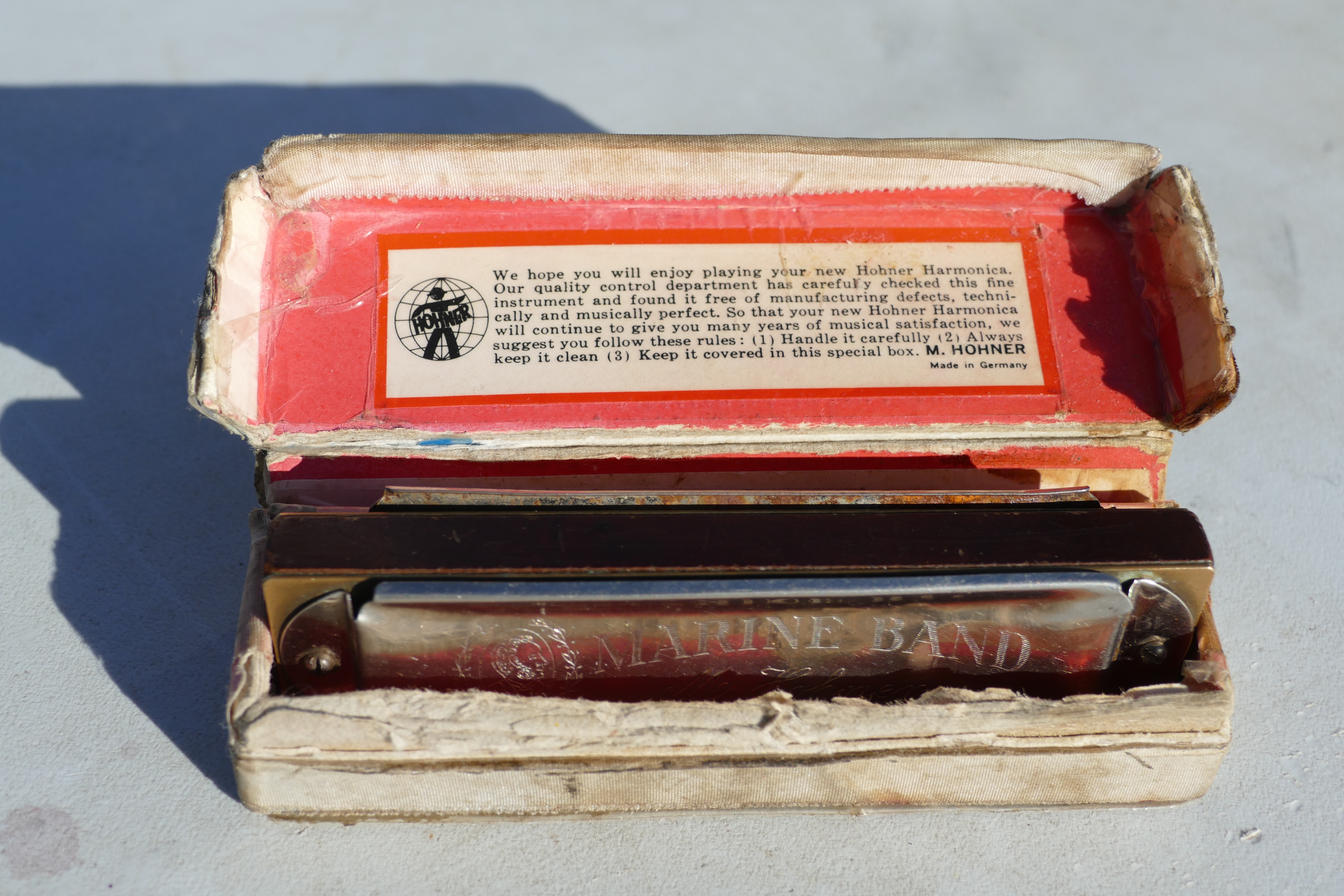
The items had eventually been passed on to Zhomart by his father, a teacher. But Zhomart had always thought that they should be repatriated to Latvia and he had been trying for some time to find a way to do this. He had found the name of the framemaker on the back of the picture and tried, without luck, to trace a living relative. There was also a name written in ink on the back, which he assumed could be the artist, so he had also tried to see if he could find any descendants.
He had even written to the prominent Latvia artist Andris Eglitis – who has the same name as the signature on the back of the picture – to ask for his help in tracking down someone connected with this painting. And now, as soon as he heard that there were strangers in the area, he had decided to show the items to them in the hope that someone might be able to help.
Without more information it is probably impossible to find out the original owners of the picture and other items. These were little comforting objects that probably helped the exiled Latvians to remember where they came from and which they had managed to bring all the way from north-west Europe to this remote place in the deserts surrounding the Aral Sea. I suggested that Zhomart should contact the Latvian embassy. They might be willing to take the objects, which could form part of a collection connected with the history of Latvian exiles from that period. There is also just a chance that by writing about them, someone might see a connection. If so, please get in touch and I will pass on the message.
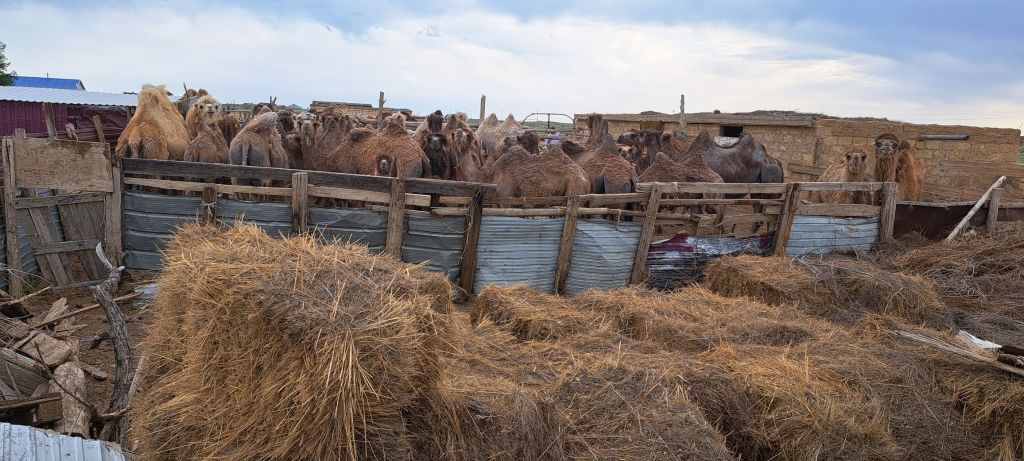
The second incident I want to mentioned happened in the little sand-blown village of Kulandy, where we stayed the night in the house of Kurman Ali, a local camel breeder. With 12 guests in his house Kurman made sure that we were well looked after. Indeed, his wife and daughter-in-law prepared a substantial dinner for us of beshparmak, a Kazakh horsemeat delicacy.

In preparation for the meal the ladies took great pains to lay fresh linen on the long, low table. And as soon as they had done that they covered the entire table in old newspaper, to protect the linen from the food.
After we had been sitting there for a while waiting for dinner to be served, one of our group, Abzal, began to read the yellowing newspaper pages that were scattered across the table. First, he noted that the paper dated from September 2018 and we had a laugh about that. Then, he began to laugh aloud. Of course, we all wanted to know what was happening. Abzal explained that he had begun to read an article about an expedition made that year from the Caspian Sea to the Aral Sea and had suddenly realised that it was an interview with our friend Dauren Raptayev, the organiser of the present expedition, who was sitting opposite him! Dauren confirmed that he had indeed given an interview to a local paper back in 2018. Like us, he was amazed to find it now spread out on the table in front of us. What were the chances of that?

There’s no point in trying to explain how this happened. Coincidence? How else could you explain it?
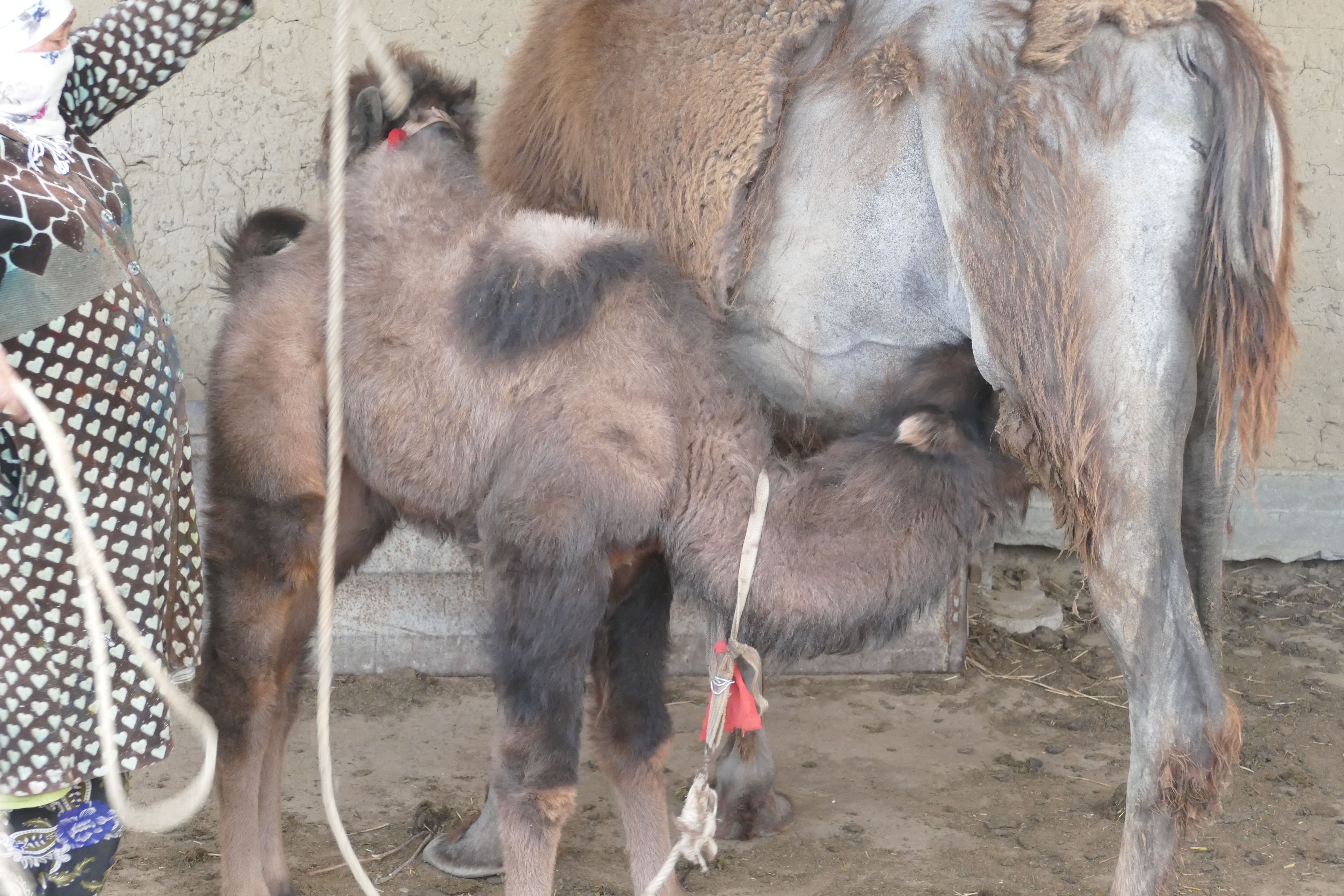
I never did find out that name of our host’s wife, although later she offered to show me how she milked the camels. We were taken to a little shed in which there was a solitary baby camel. As we were waiting there, the baby’s mother pushed her way into the yard. Mrs Ali (as I will call her) was well prepared for what was undoubtedly something of an ordeal. She had wrapped a scarf around her face, as the camel was more than likely to spit at her. Then she had to tie up the big camel, including tying its back legs together, to stop it kicking her. Even so, it was still trying to bite her. It would only give milk if the baby was suckling, so as soon as this began, Mrs Ali had to stand on one leg and balance a bucket on the other to collect the milk.

After 10 minutes or so she had about a litre of warm, fresh milk. That was taken back to the house to be pasteurised and transformed into sharbet, a delicious and wholesome drink.











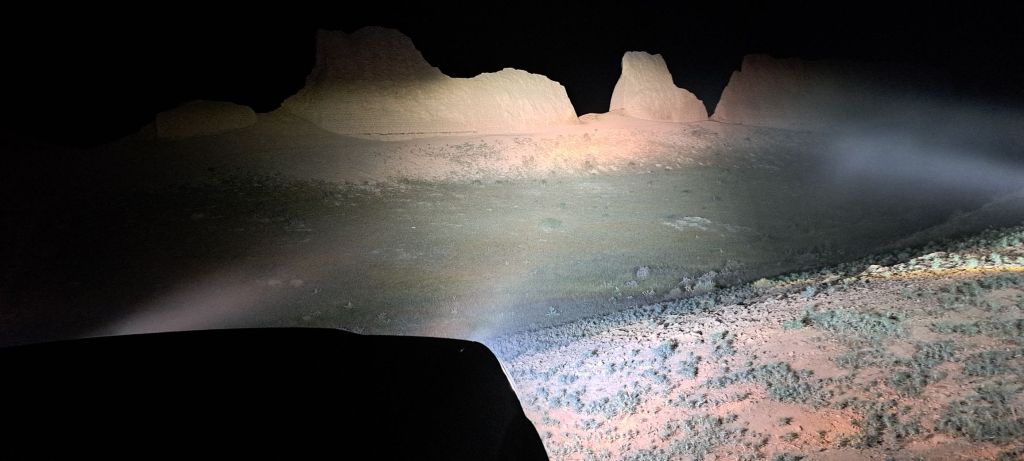
 Siberian Steppes