Here are some basic facts about Thomas Witlam Atkinson (1799-1861) and Lucy Atkinson (1818-1893), two of the greatest travellers and explorers of the nineteenth century. Now almost forgotten, their reputations deserve to be revived. In the late 1840s and early 1850s, over the course of seven years, they travelled – mostly on horseback – around 40,000 miles through what is now Siberia, Kazakhstan, Mongolia and north-west China. In 1848 Lucy gave birth to a son in a remote part of what is now Eastern Kazakhstan. The boy, named Alatau Tamchiboulac Atkinson, accompanied his parents throughout their remarkable journeys.
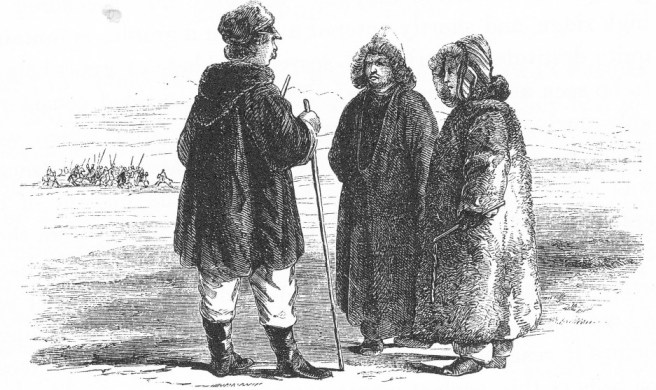
Both Thomas and Lucy wrote books on their travels. Thomas published Oriental and Western Siberia in 1858 and Travels in the Regions of the Upper and Lower Amoor in 1860. Lucy published Recollections of Tartar Steppes in 1863. In addition Thomas produced an incredible body of artistic work – around 500 watercolours and sketches illustrating the people and places he had seen. These paintings can now be found in some of the greatest museums in the world, including the Hermitage in St Petersburg, The Pushkin Museum in Moscow and the Victoria and Albert Museum in London. Two of Thomas’ painting hang in the dining room of the Royal Geographical Society in London.
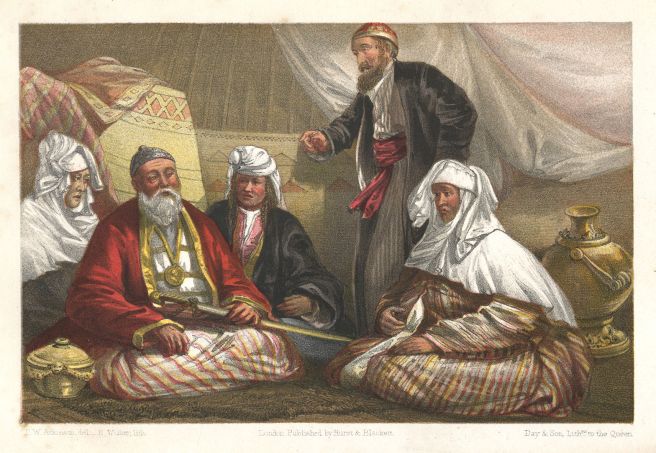
For some years I have been retracing the routes travelled by Thomas and Lucy on horseback, with the aim of bringing their achievements to a wider public. In 2015 I published South to the Great Steppe: the travels of Thomas and Lucy Atkinson in Eastern Kazakhstan 1847-52, which covered just part of their adventures.That was followed in 2020 by my books Travellers in the Great Steppe: from the Papal Envoys to the Russian Revolution. The same year I published Selected Works of Chokan Valikhanov: Pioneering Ethnographer and Historian of the Great Steppe and followed that with a new edition of Lucy Atkinson’s book Recollections of Tartar Steppes and their Inhabitants.
My interests now include early photographic images of Central Asia, the textiles of Central Asia and the early history of the Saka (Scythian) culture that dominated the steppes from around 800BC to 200BC. Their great burial mounds – known as kurgans – still dominate vast areas of eastern Kazakhstan, the Altai Mountains, parts of Khakassia and of Tuva in southern Siberia. If you would like to contribute to this blog please get in touch.
 Siberian Steppes