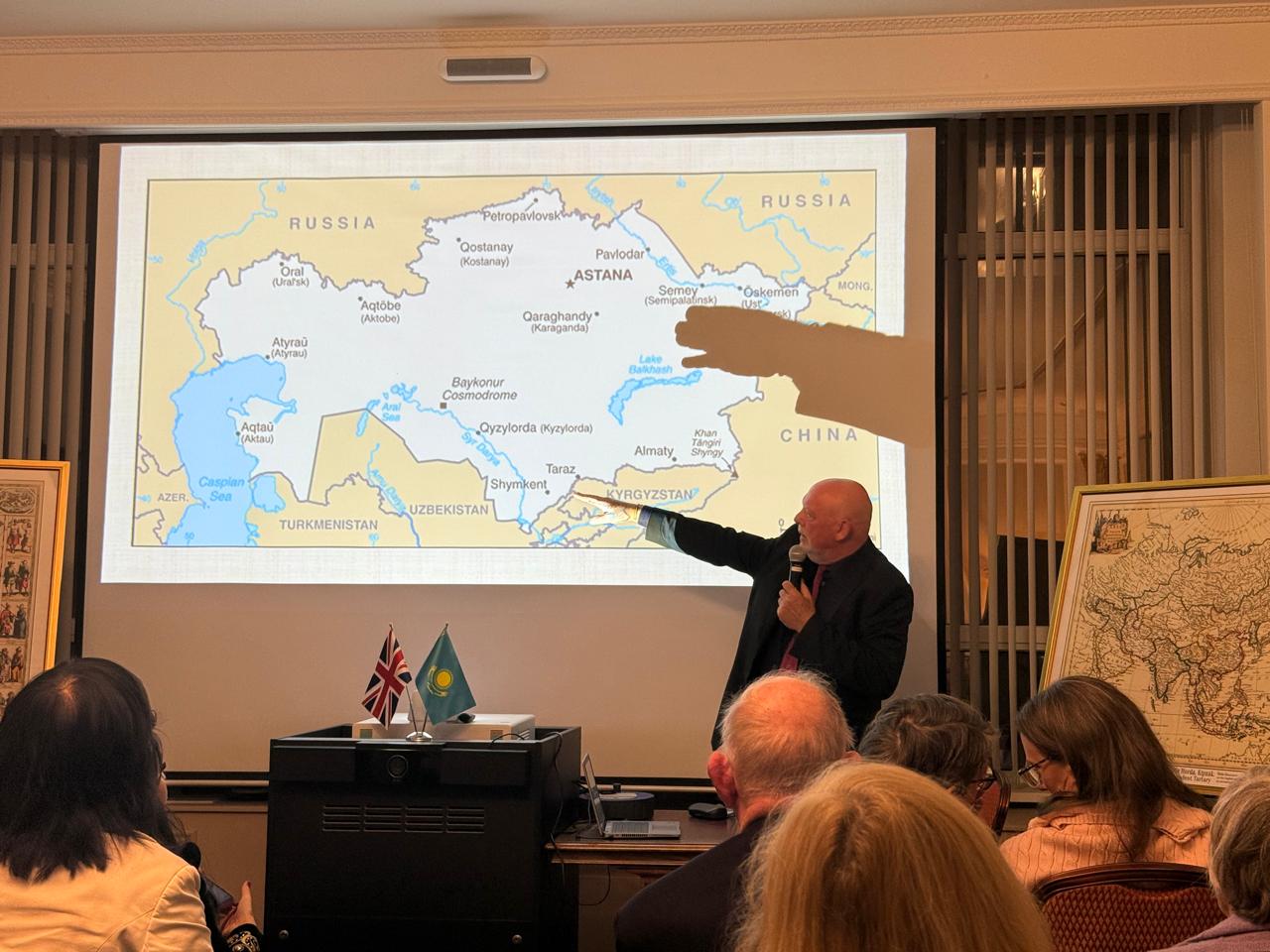
On Monday night I gave the Younghusband Lecture to the Adventure Circle of the Army and Navy Club in London. My subject was Kazakhstan: Exploring the Northern Silk Road, based largely on my trip earlier this year from Almaty to the remnants of the Aral Sea in the far west of the country.
Having now spent 15 years or so exploring various parts of Kazakhstan, mostly in the east and south-east, I was finally struck by the importance of the route across the southern part of the country that is sometimes referred to as the Ferghana-Syr Darya Corridor. This east-west route follows the course of the great Syr Darya River as it meanders its way to the northern part of what remains of the Aral Sea. It is a route that has existed for thousands of years and once would have led caravans from the Pamir Mountains up past the Aral and on towards the Volga River and the former Golden Horde city of Kazan or further west, across the top of the Caspian Sea towards Krim (Crimea).
The Syr Darya is almost a mirror image of the more southerly Amu Darya River – known in antiquity as the Oxus – but is much less well known. When most people think of the Silk Road they tend to think of the cities of Samarkand, Bokhara and Khiva, all closely linked to the Amu Darya.
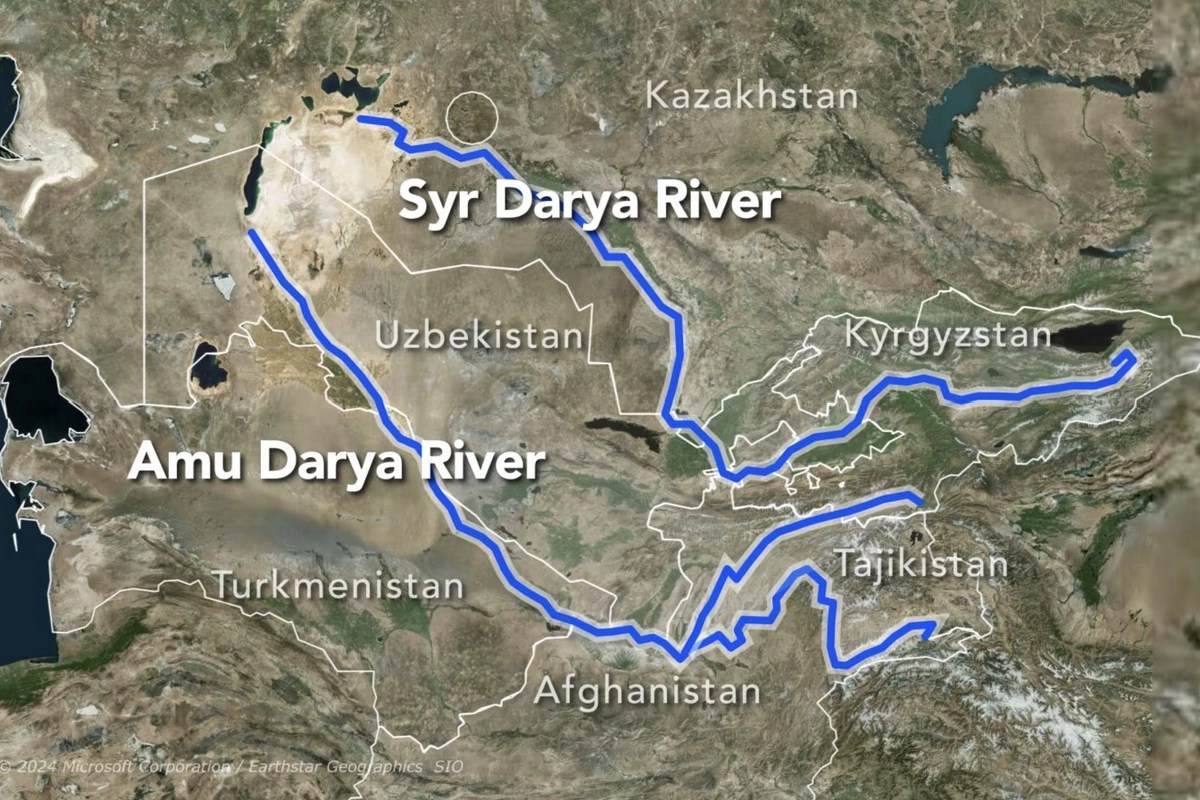
These two great Central Asian Rivers have always been important in the history of the region, providing water for agriculture and defining borders and spheres of influence. And yet while many people are familiar with the great cities associated with Timur and the Uzbek Khanate, very few know much about the northern route. It too has associations with Timur, particularly the city of Turkistan, but it also has its own rich history. Along this northern Silk Road can be found the remains of many great cities that flourished in the period before the discovery of the sea routes between China, India and Western Europe.
These cities include Otrar, Sauran, Kyshkala, Asanas, Syganak, Yassy and Zhankala, all now nominated by the Kazakhs for UNESCO World Heritage status. Along this route can also be found the magnificent ancient petroglyphs at Arpauzen and the cosmodrome at Baikonur.
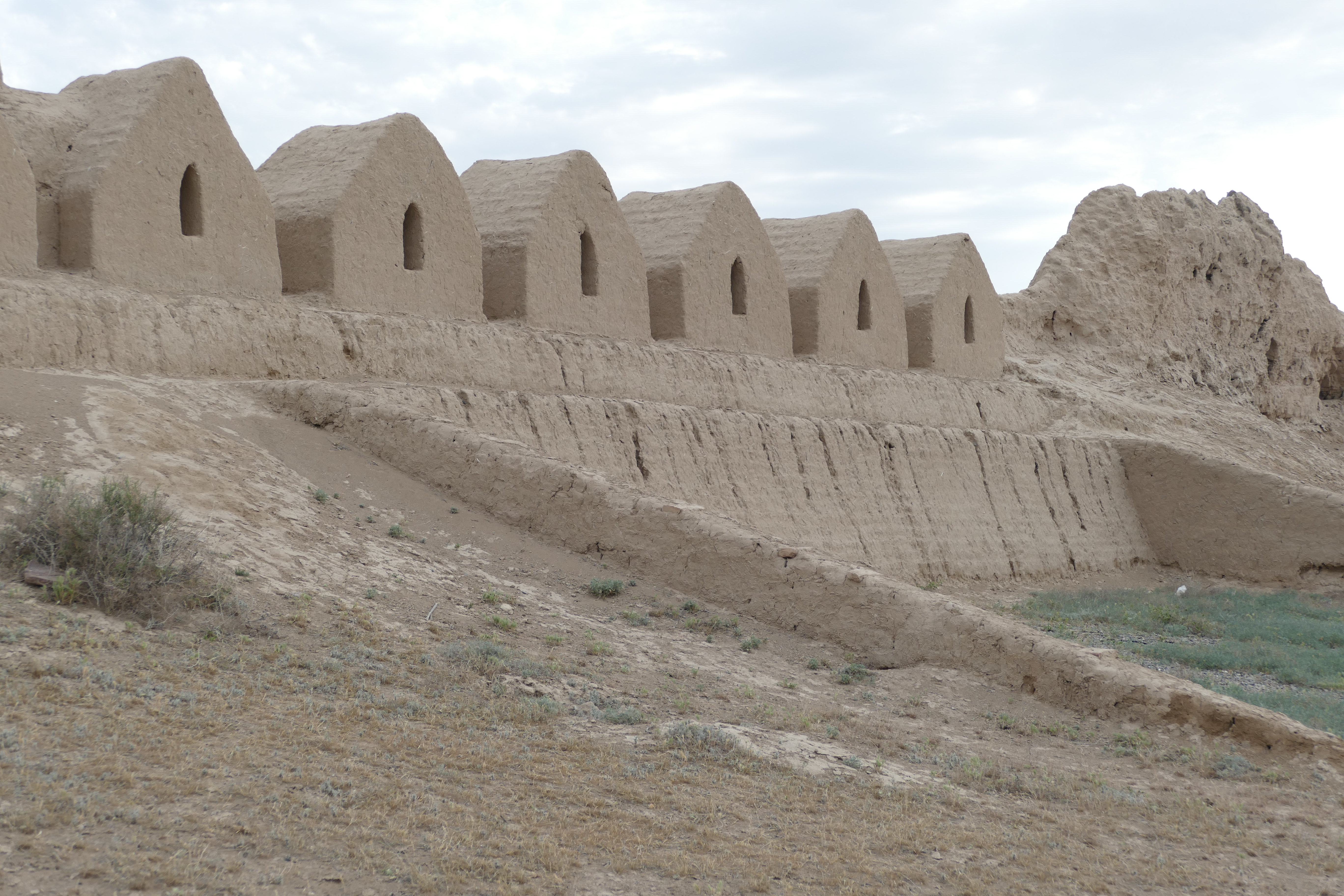


There are still many discoveries to be made along the Northern Silk Road. Friends in Kazakhstan tell me that they have come across the remains of ‘lost’ cities in the Kara Kum Desert that are not mentioned on any maps or history books. Adventure beckons!



 Siberian Steppes