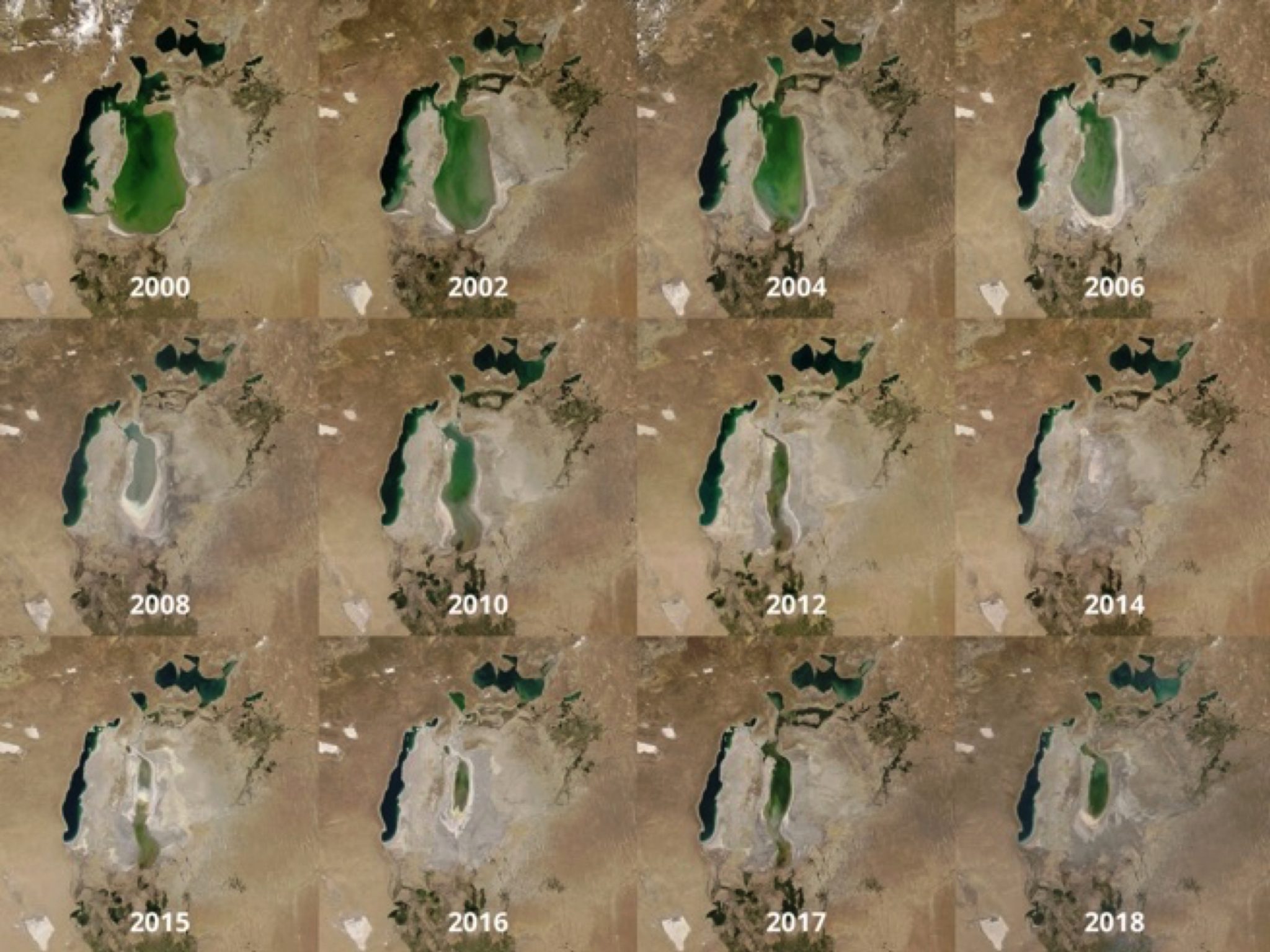
Some good news! Last week Nurzhan Nurzhigitov, Kazakhstan’s Minister of Water Resources and Irrigation, together with the World Bank, reaffirmed their commitment to joint efforts aimed at the restoration of the North Aral Sea.
At a meeting held at the Kokoral dam in Kyzylorda region – which I visited two weeks ago – Mr Nurzhigitov met with Sameh Wahba, Regional Director for Sustainable Development at the Europe and Central Asia region in the World Bank, to review the second phase of the North Aral Sea restoration project.
The North Aral Sea is the portion of the former Aral Sea that is fed by the Syr Darya River. After years of shrinkage, it split from the South Aral Sea in 1987–1988, with the introduction of inappropriate irrigation programmes for agricultural use.
The 12-km long Kokaral dam, which splits off the North Aral Sea from its southern counterpart, was completed in 2005 to control the water levels and restore them to previous levels. As a result of the first phase of the restoration project, the volume of water in the North Aral has increased by 42% to 27 billion cubic metres, the salinity of the sea has decreased nearly fourfold, annual fish catches have risen to 8,000 tons, and 870 sq kms of the dried-up seabed have been covered with water, reducing the wind-driven removal of salt deposits.
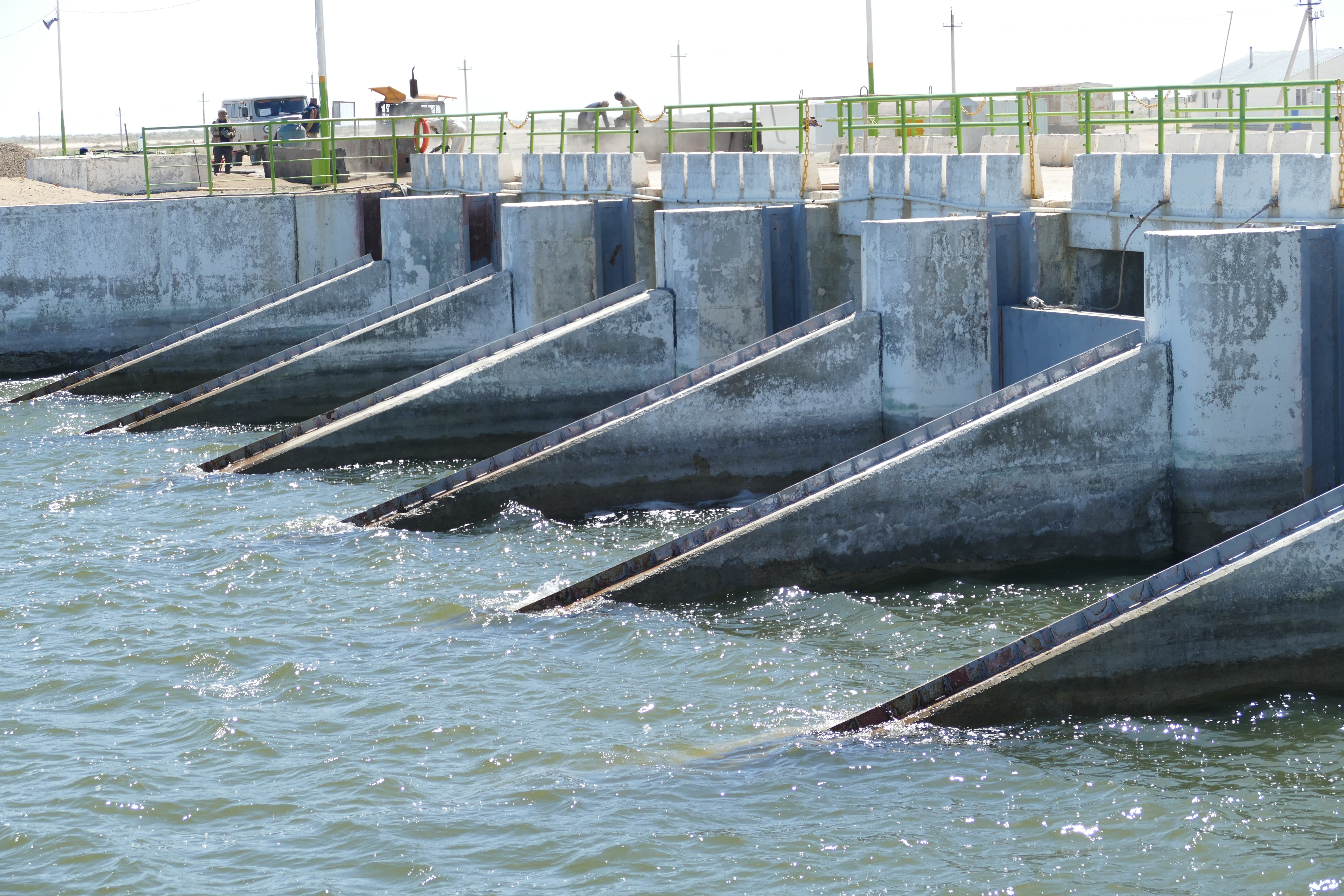
Now the Ministry is completing a feasibility study for the second phase of the project, aimed at heightening the Kokaral dam and thus raising the North Aral Sea level to 44 metres. The plan will also allow for the construction of a hydroelectric complex near the village of Amanotkel to stabilize water resources in the Akshatau and Kamystybas lake systems in the Kyzylorda region.
The aim of this second phase is to increase the water surface area of the North Aral to 3,913 sq kms and its volume to 34 cubic kms within the next 4-5 years.
Sameh Wahba reconfirmed that the World Bank, which is financing the feasibility study, remains committed to further participation in preserving the North Aral Sea. Together with Minister Nurzhigitov he visited a local fish processing plant and saw how many jobs have been created in the region in such sectors as agriculture, livestock farming, and tourism. “The North Aral Sea conservation project is very important for us, as it shows the world an example of restoring an entire ecosystem,” he added.

Once the fourth largest lake in the world, much of the Aral Sea basin has turned into a dustbowl due to poorly thought-out irrigation strategies introduced by the Soviet Union in the 1960s-70s. The North Aral Sea conservation project aims to increase the volume and improve the quality of water in the sea, restore the Syr Darya River delta, reduce wind-driven removal of salt deposits from the bottom of the Aral Sea, develop the fishery in the Kyzylorda region, and improve the living conditions of local residents.
 Siberian Steppes