
Over the past few years I have come across dozens of novels that are set in Central Asia. Most date from the end of the 19th century until the 1930s and reflect that period when the last few unexplored places were gradually being discovered and mapped. Many of them are in the form of what are generally known as ‘Lost Race Novels’. These usually take the form of a group of modern travellers finding a ‘lost’ community living in an isolated valley away in the mountains. The original story of Shangri-La is the most well-known of these novels. Others feature lost tribes, lost Vikings, lost Greeks and Romans, even lost Crusaders. Many are characterised by their lurid cover art. So far I have found over 120 such novels based in Western Asia, in which I include the mountains of northern India and Tibet.
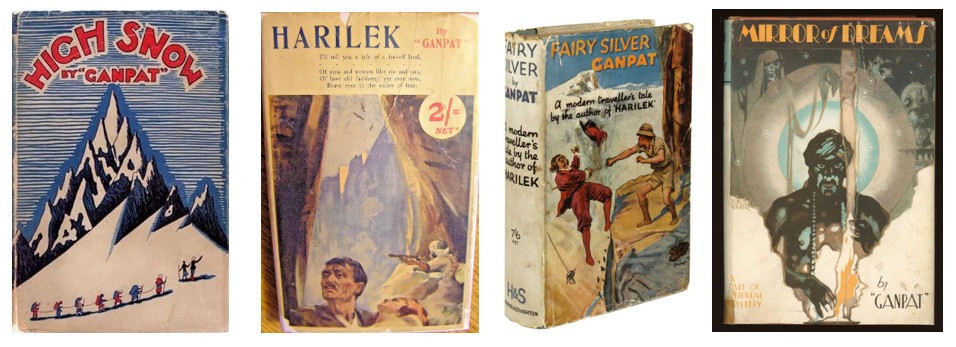
I have now written an article summarising what I have found so far and including as many of the covers as possible. You can find a link to my article here:
Please let me know of any others that you find.
 Siberian Steppes